
For decades, sports science treated the environment like a one-size-fits-all stressor. A 90°F day or a 39°F ice bath was assumed to hit every body through the same physiological pathways. Apply a female lens to that assumption and it falls apart fast.
A woman's environmental response system isn't a flaw to train around. It's a highly tuned, exceptionally sensitive biological system. Here's how female physiology shapes performance in heat, cold, and altitude, and how to train smarter because of it.
Heat and Thermoregulation: The Shifting Baseline
A woman's baseline core temperature isn't a fixed number all month long. It shifts with hormonal fluctuations that change how she handles heat stress during exercise.
The luteal phase temperature shift
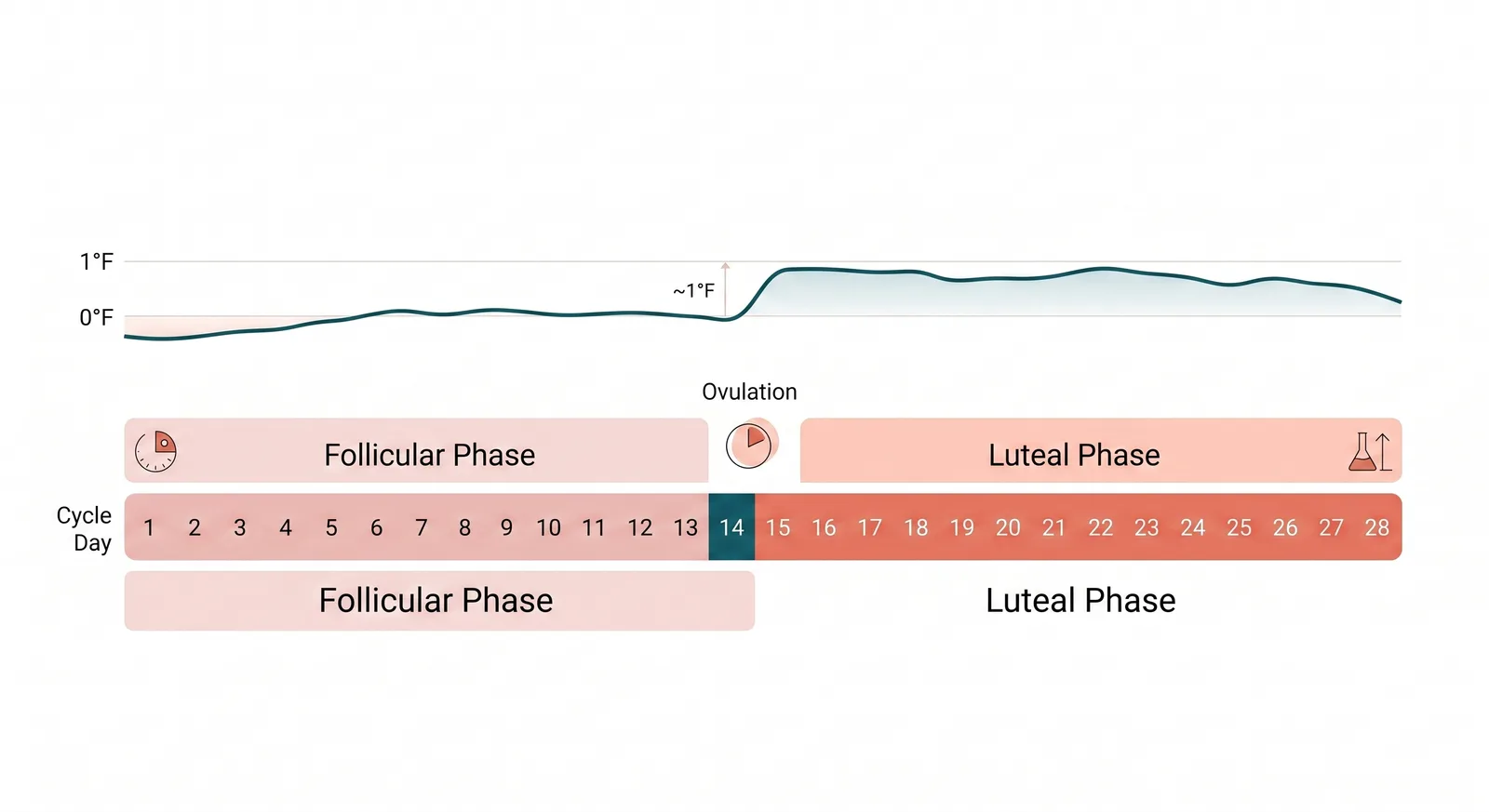
When a female athlete enters her luteal phase (the back half of the cycle, right after ovulation), a surge in progesterone acts on the hypothalamus, the brain's temperature control center. This resets the internal thermostat and raises resting core temperature by roughly 0.5°C (about 1°F). Even sitting at a desk, her metabolic engine is idling hotter than it was a week earlier.
The blood plasma and thirst trap
Layered on top of that elevated baseline is a drop in blood plasma volume during the luteal phase. Normally a drop in plasma volume sends an urgent thirst signal to the brain. But shifting progesterone and estrogen levels blunt that response.
The trap: an athlete can be actively dehydrating while running a higher core temperature, with none of the familiar thirst cues to warn her.
The perimenopause and menopause shift
During perimenopause and menopause, swings and eventual drops in estrogen narrow the brain's thermoneutral zone, the window where the body feels comfortable without needing to sweat or shiver. A small bump in ambient temperature can get misread as an overheating emergency, triggering a hot flash: a sudden spike in heart rate, profuse sweating, and a workout that goes sideways fast.
Evidence-Based Heat Tactics
These hormonal baselines mean standard heat acclimation protocols need to be adjusted for women.
The 9-day acclimation rule. Short 4-day heat protocols aren't enough for female athletes. It takes a minimum of 9 days of heat exposure to trigger the real adaptations: more blood plasma volume, a lower core temperature sweat threshold, and less sodium lost in sweat.
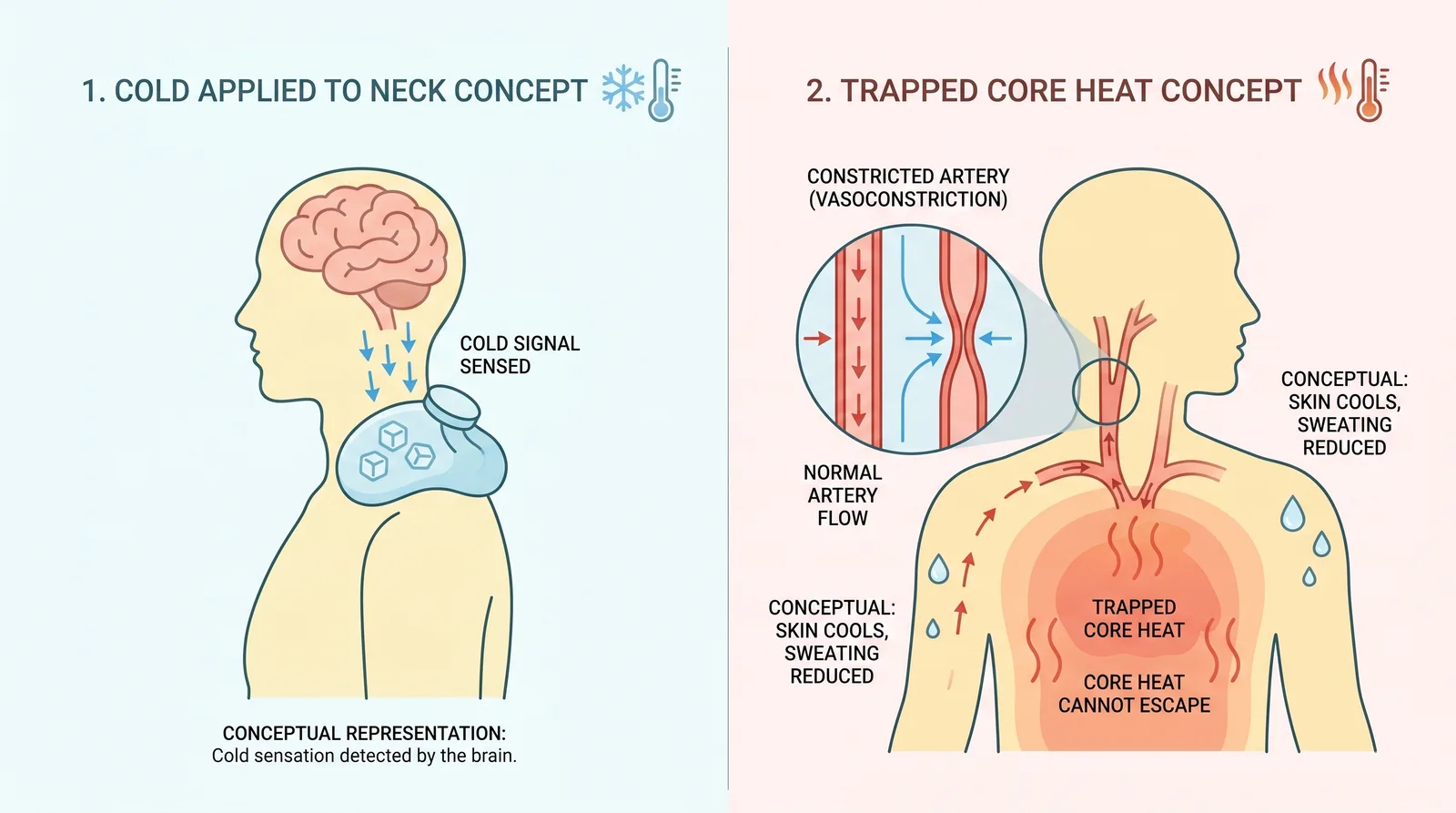
Ditch the ice bandana. An ice-cold bandana around the neck during a hot workout can backfire. Severe cold on the carotid arteries tricks local thermal receptors into telling the brain the body is freezing, which triggers rapid vasoconstriction, slamming blood vessels shut. That traps metabolic heat deep in the core exactly when it needs to escape.
Evaporation over ice. Handheld or neck fans cool the body externally through evaporation. Ice slurries or ice cubes in a water bottle cool from the inside out, without triggering that skin-level vasoconstriction response.
Pre-workout adjustments. If hot flashes are a pattern, swapping the pre-run hot espresso for a cold brew can keep the nervous system from getting primed to overreact to heat.
Cold Water Immersion: Proceed With Caution
Just as female physiology dumps heat aggressively, it defends core temperature fiercely in the cold.
Lower muscle mass for generating heat, combined with a different surface-area-to-mass ratio, means the female autonomic nervous system triggers vasoconstriction faster and harder than a man's. Blood gets shunted away from the skin and extremities to protect the organs.
Most cold immersion protocols are built on male-focused research. Following generic advice, like sitting in a 39°F bath for a full 10 minutes, can push a woman's body into a damaging, catabolic stress state.
Red flags to exit immediately:
- Uncontrollable shivering: the body has lost the ability to defend core temperature through vasoconstriction alone and has moved to extreme measures.
- Severe numbness or disorientation: a sign peripheral circulation has dropped dangerously low.
Altitude: The Great Equalizer
Moving up in elevation drops barometric pressure and creates hypobaric hypoxia, forcing the respiratory and cardiovascular systems to work much harder to deliver oxygen.
Hormones vs. elevation
Here's the surprising part: rigorous testing up to 4,000 meters (13,000+ feet) shows the menstrual cycle has minimal effect on cardiorespiratory function at altitude. Early follicular or mid-luteal, breathing rate, oxygen saturation, and hypoxic ventilatory response stay remarkably stable. The sheer demand of thin mountain air dominates any subtle respiratory shift hormones might otherwise cause.
The altitude sleep paradox
While the cycle won't wreck altitude performance, perimenopause plus elevation is a different story for recovery. Hypoxia disrupts sleep on its own, causing micro-awakenings as the brain works to balance oxygen levels. Stack night sweats and hot flashes on top of that, and recovery takes a real hit for the master athlete at altitude.
Choosing an arrival timeline
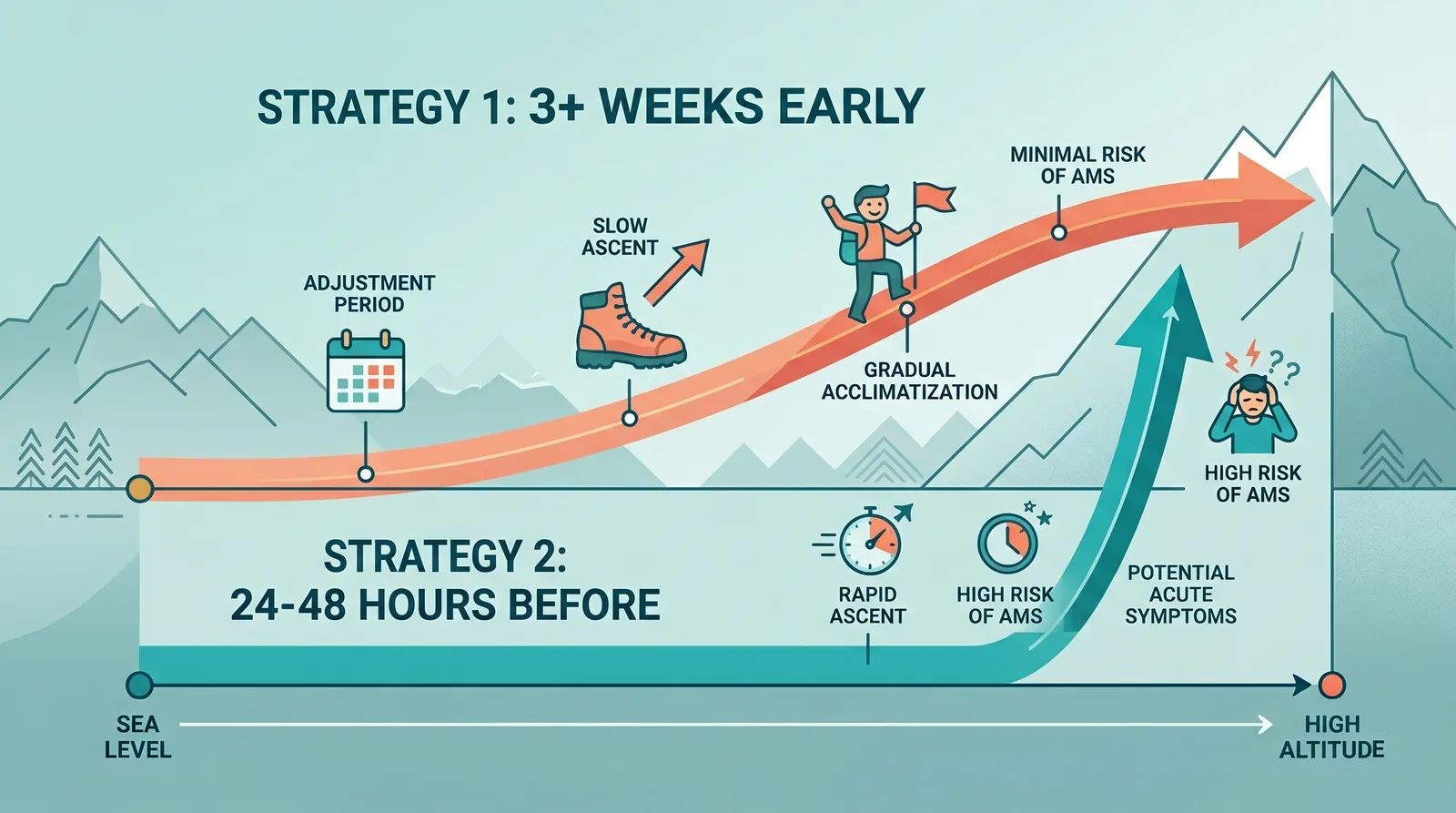
Two evidence-backed strategies:
- Long-term: Arrive 3+ weeks early, giving the kidneys time to release EPO and stimulate higher red blood cell production for true acclimatization.
- Just-in-time: Arrive within 24 to 48 hours of the event. Acute mountain sickness, dehydration, and nervous system fatigue tend to peak between days 3 and 5, so racing almost immediately on arrival sidesteps the worst of that window.
Training Smarter With Data
Tracking menstrual phase, sleep disruption, HRV, and training load all at once is a lot to manage by hand. Wearables and AI platforms, like Fit PA, pick up the downstream signals of these shifts automatically.
When a heatwave tanks HRV or altitude spikes resting heart rate, an adaptive AI coach can spot that nervous system strain in real time and recalibrate, rather than forcing a rigid plan. That's the shift from gritting it out to working with your environment instead of against it.