
Articles
Practical training, recovery, and performance guidance from the Fit PA team.
Sore After Hills, Squats, or Jump Squats? What a New Review Says Actually Helps
A 2026 review explains why soreness peaks 24 to 72 hours after hills, lifting, and jumps, which recovery tools help, and how to ease into each by level. See how Fit PA plans around it.

Eat for the Effort Ahead, and the One You Just Finished
Your body doesn't treat each day on its own, and your nutrition targets shouldn't either. Learn what the research says about carb loading, fueling up before key sessions and recovering after big efforts, and how Fit PA builds it into your daily targets.
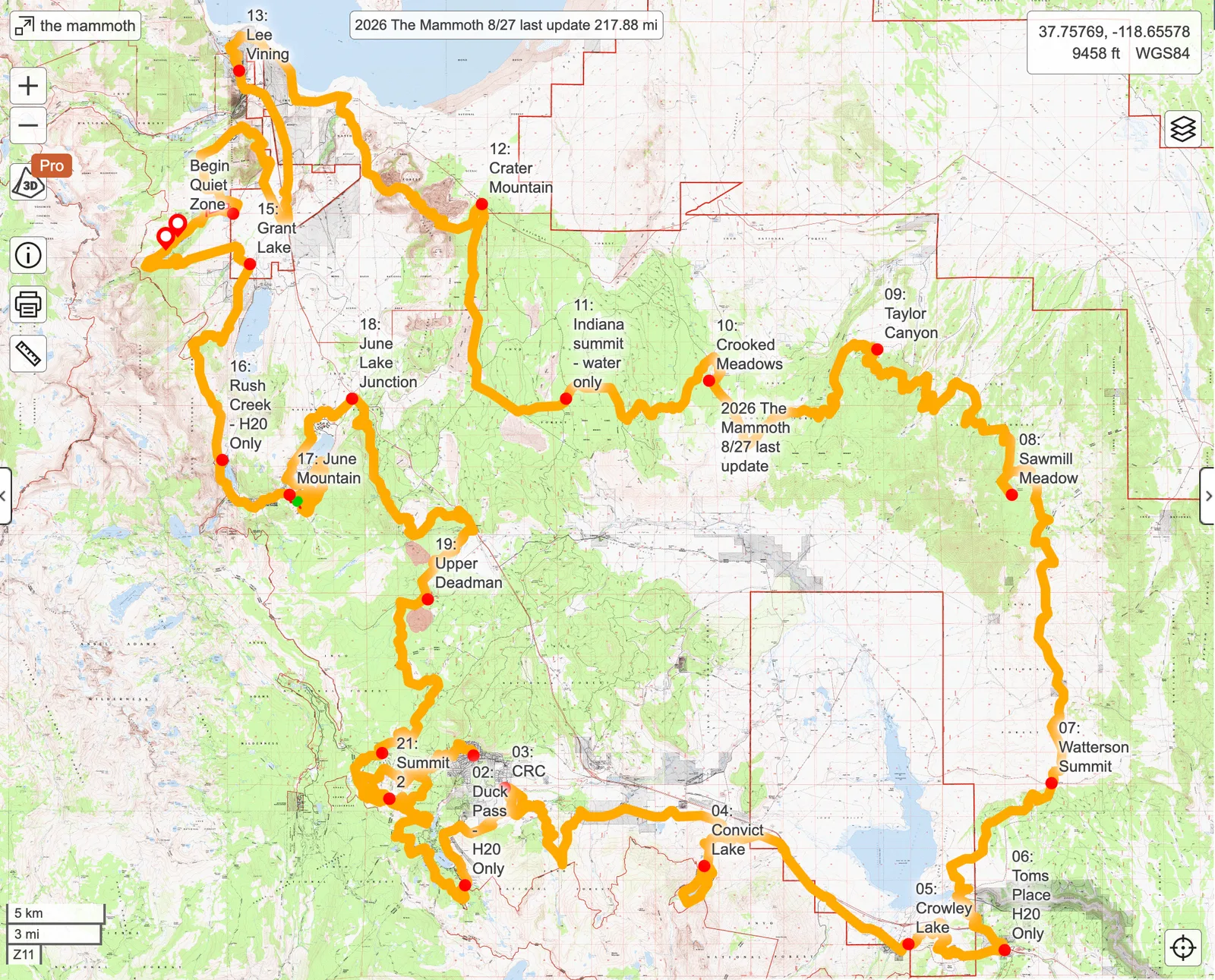
Around the Caldera: The Mammoth 200 and the Eastern Sierra Behind It
The Mammoth 200 sends runners on a 218-mile loop around a 760,000-year-old caldera through the Range of Light, in peak fall color. Meet the people behind it and what it takes to finish.
How to Run Faster: What the Science Says for Beginner, Intermediate, and Advanced Runners
A science-backed guide to running faster for beginners through advanced runners. Learn how speed is built, how to lift and fuel for it, what differs for women, and how to lower your injury risk.
Strength Training for Ultrarunners: The Research, the Sex Differences, and How to Program It
The research on strength training for ultrarunners and running economy, 'durability,' sex differences, and how to actually periodize it without wrecking your running.

Why Your Watch Still Doesn't Understand Run-Walk Training
Your watch blends running and walking into one 'cadence' number, two totally different movements averaged together. A runner asked Garmin to fix this over a decade ago. Their reply: count your own steps. It's still not fixed.
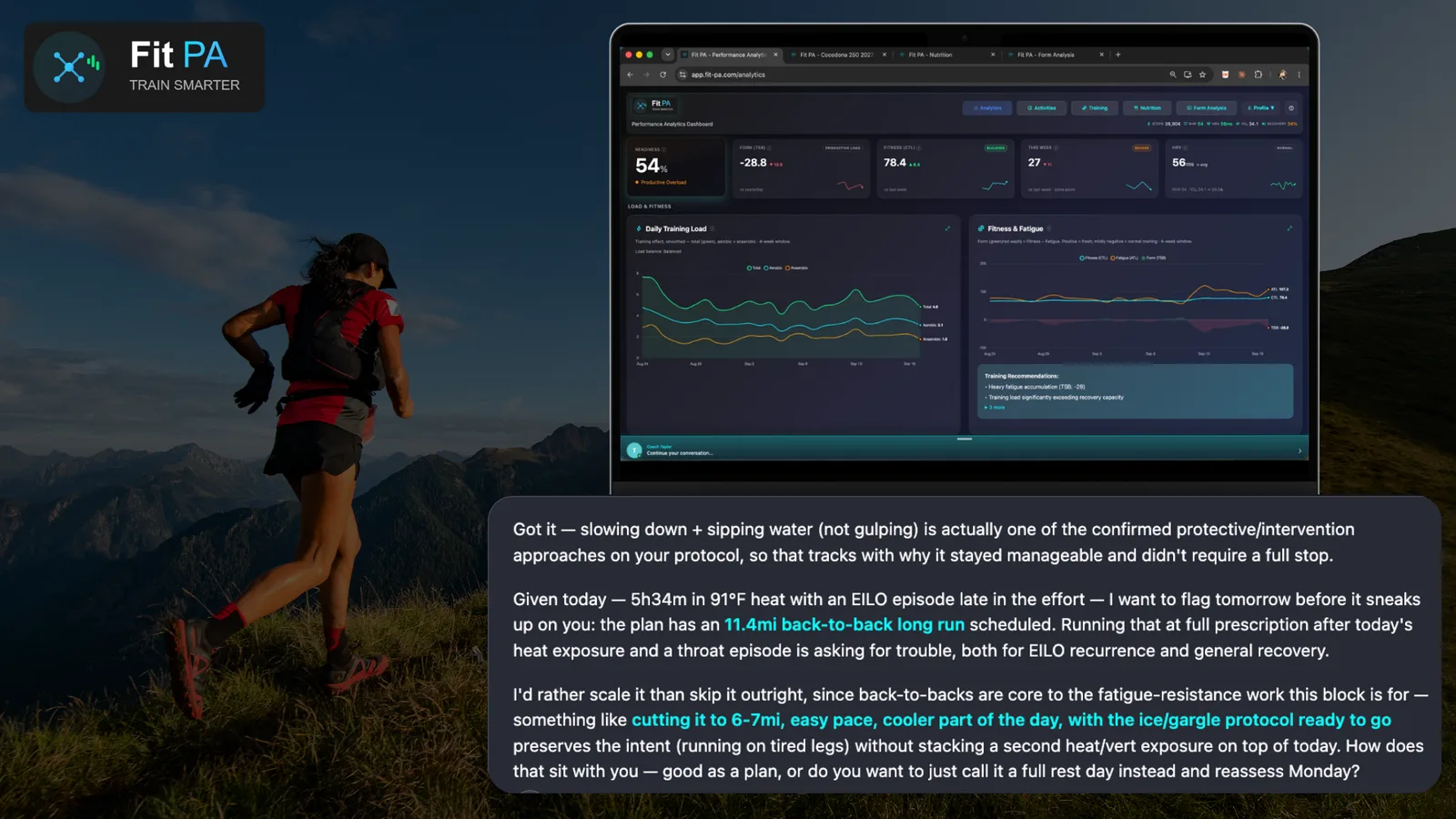
Why Most 'AI Training Coaches' Are Just Rule-Based Apps (And What Real AI Coaching Looks Like)
Most AI fitness apps are rule-based templates in disguise. See how a real AI training coach reads your data, adapts your plan, and protects you.
How to Export All Your Garmin Connect Data (and Get Your FIT Files)
Garmin lets you download your entire history — every activity as its original file — with one request. Here is exactly how to do it, what arrives in the ZIP, and how to put those files to work.

Your Legs Aren't What Quits First: Why the Brain Wins (or Loses) an Ultramarathon
At mile 80, it's not your legs that give out first, it's your judgment. From hallucinations to fueling your brain as much as your muscles, here's what the research actually says about the mental side of an ultramarathon, and what to do about it before race day.
You Peak at 35. Here's What the Science Actually Says Happens Next.
Physical decline starts around 35, but how fast it progresses depends more on consistency than age. Science-backed takeaways for every fitness level.

The Double Threshold Tactical Advantage: Why Your Long Sessions Might Be Sabotaging Your Ceiling
Double threshold training splits a high-volume day in two, but does it cost you anything? The research shows splitting lowers next-day fatigue and doesn't change molecular adaptation, while a single long threshold session builds a distinct kind of durability the split day can't.

Breaking the Ultra Rule: Does Splitting Your Long Run Kill Your Gains?
Endurance culture treats the single, unbroken long run as sacred, but the research tells a more layered story. Splitting a session creates less acute stress, yet produces the same measurable adaptation, until you reach ultramarathon distances, where sustained duration becomes the real training tool.

Beating the Heat: How to Training Through Extreme Temperatures
Heatwaves are hitting record numbers on both sides of the Atlantic, with heat index values topping 108°F across parts of the US this week. Here's what the research actually says about spotting heat illness early, how much electrolyte replacement really helps, and how to train through extreme heat.

She's Built Different: How Women Master Heat, Cold, and Altitude
Heat, cold, and altitude don't affect every body the same way. Here's how hormones shift a woman's temperature regulation, hydration cues, and cold tolerance, and what the research says about training smarter through it.

Why You Can't Sleep -- And What the Science Says to Do About It
Night sweats, racing mind, snoring, pre-race nerves, early morning waking -- poor sleep has many causes and each one has a different fix. Here's what the research actually says, organized by what's keeping you up, with free solutions first.

It's Not a Rest Day. It's a Recovery Decision.
Most athletes think about rest days in binary terms: train or don't train. The science says the real question is more specific than that -- and the answer depends on data you already have.
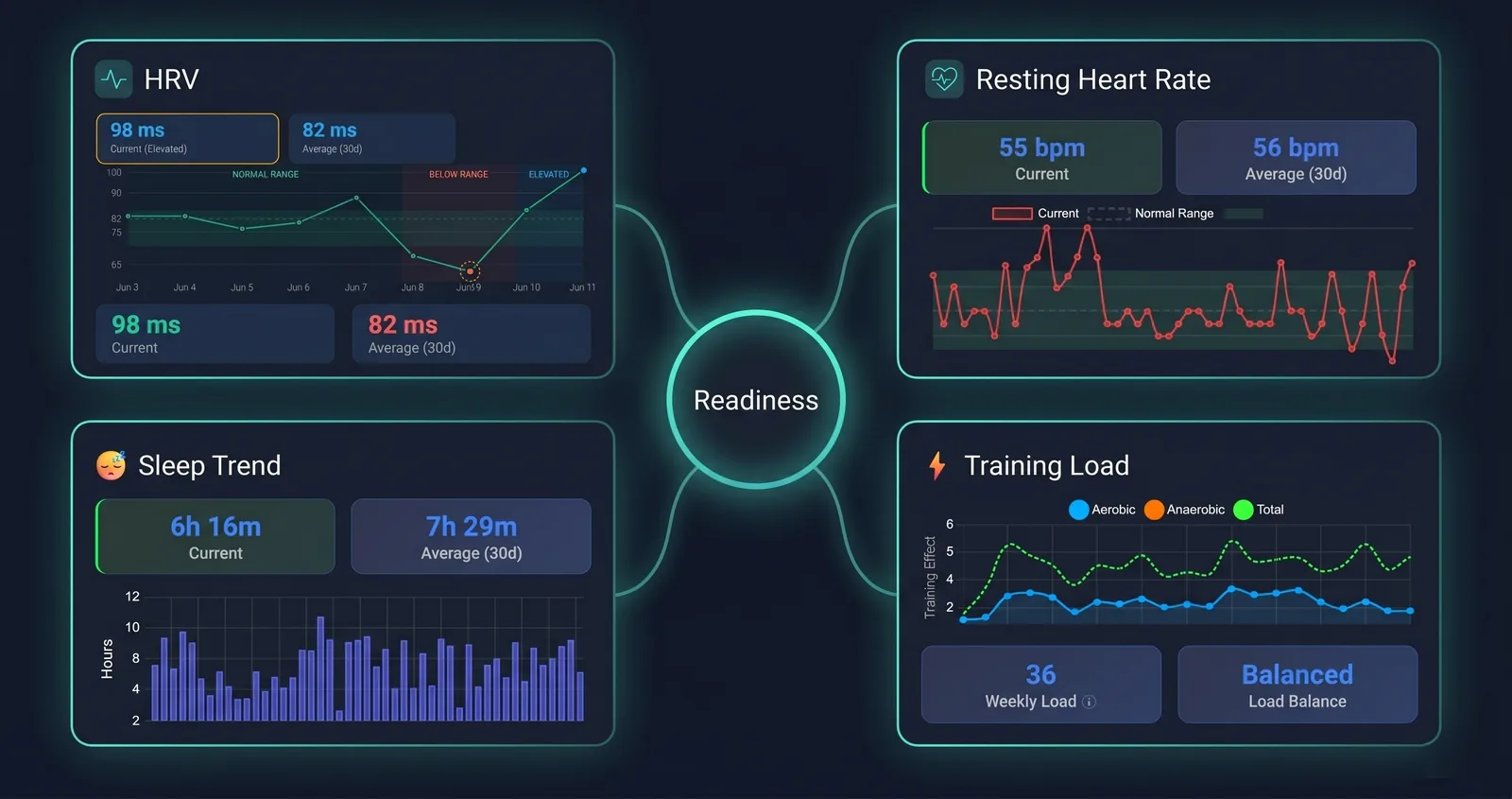
Your Wearable Is Talking. Here's How to Actually Listen.
You've been wearing a device for months. But when your numbers shift, do you know what to do? Here's how to read the four metrics that actually matter -- and turn your data into daily decisions.
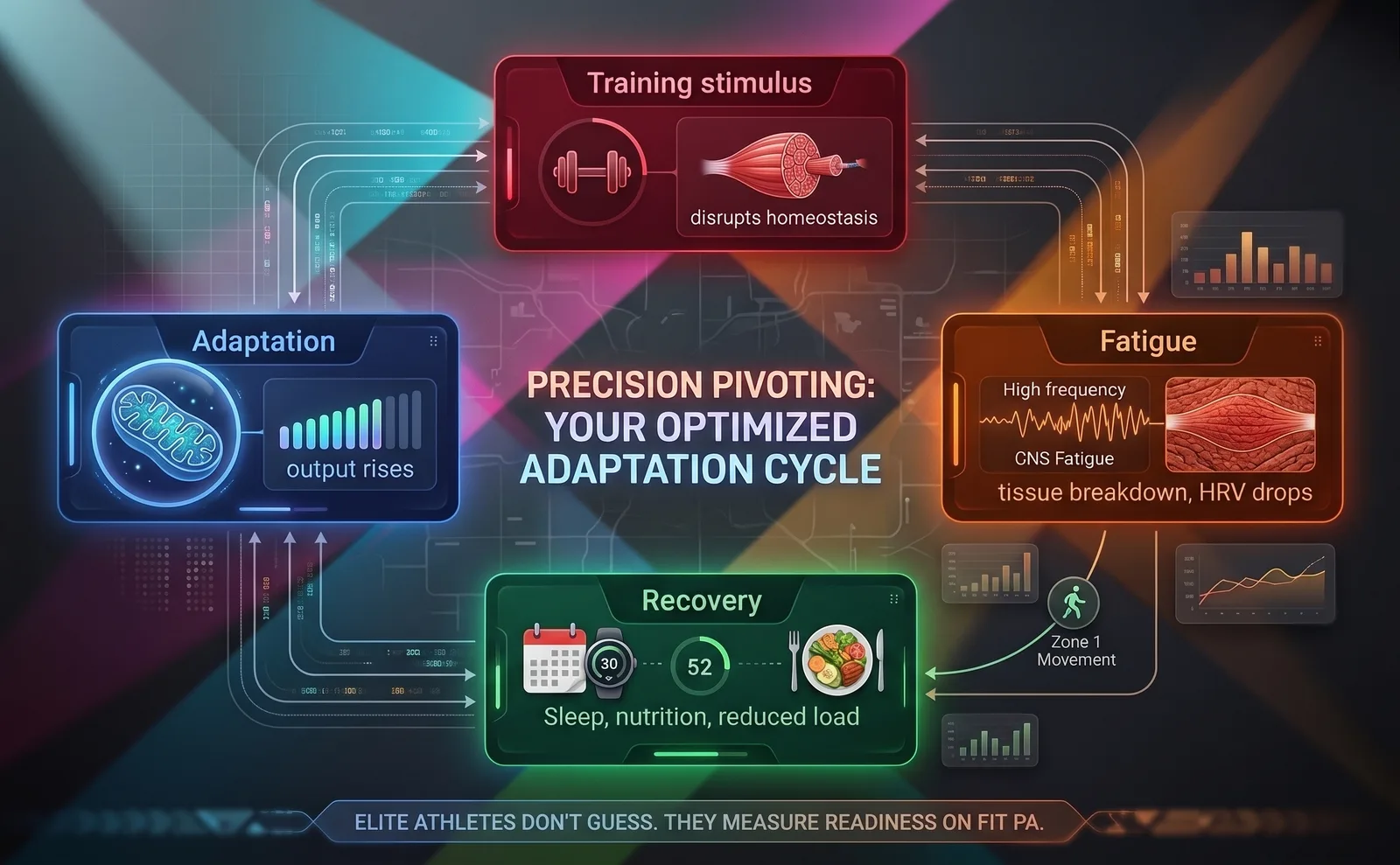
The Stress Paradox: Why Pushing Harder Isn't Always the Path to Peak Performance
True fitness gains come from a cycle of stress and recovery, not from volume alone. Here's the physiology behind why pushing harder isn't always the answer.
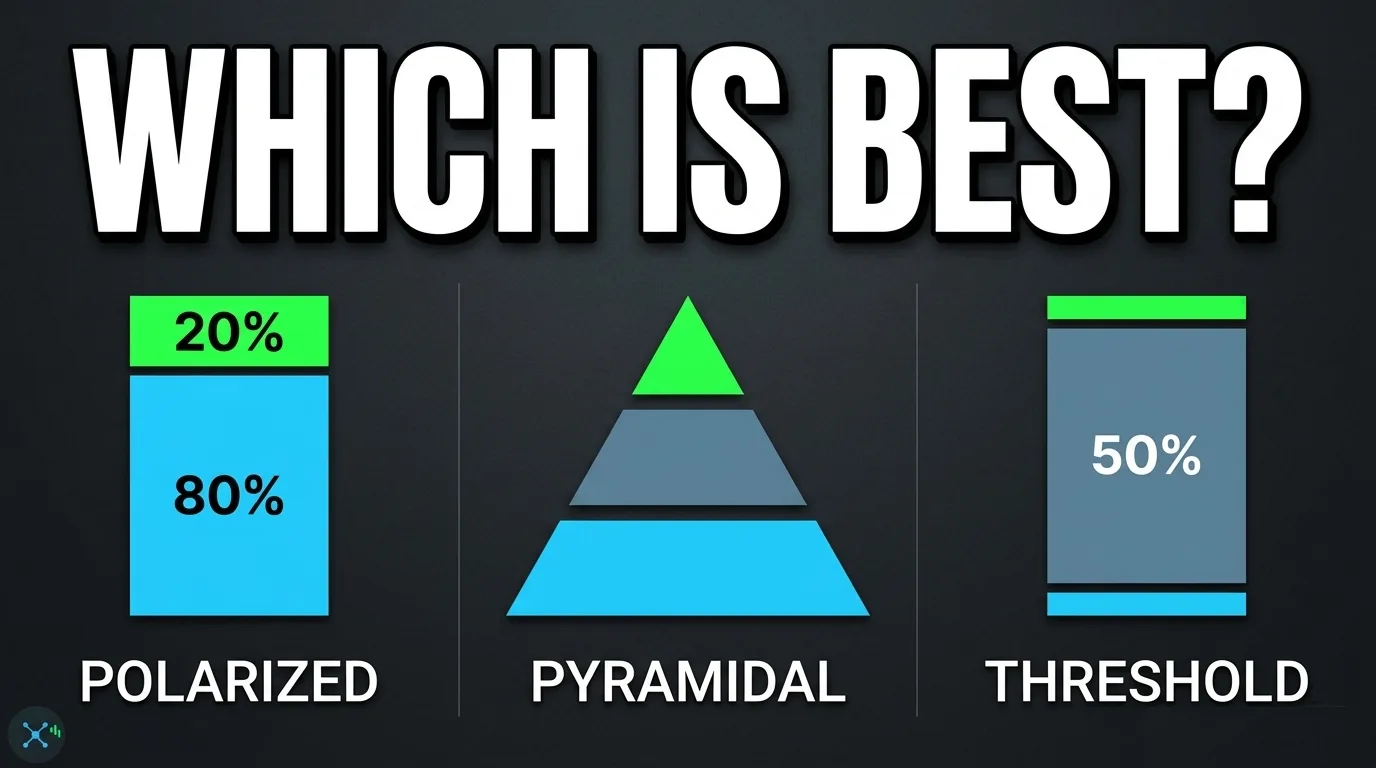
Stop Guessing Your Training Load: The 3 Models Every Athlete Must Know
Most athletes train on one high-intensity model and plateau. Real gains come from rotating three: Metabolic Base, Functional Strength and High-Threshold Power.