
Training Science
What the research says about building endurance and getting faster.

You Peak at 35. Here's What the Science Actually Says Happens Next.
Physical decline starts around 35, but how fast it progresses depends more on consistency than age. Science-backed takeaways for every fitness level.

The Double Threshold Tactical Advantage: Why Your Long Sessions Might Be Sabotaging Your Ceiling
Double threshold training splits a high-volume day in two, but does it cost you anything? The research shows splitting lowers next-day fatigue and doesn't change molecular adaptation, while a single long threshold session builds a distinct kind of durability the split day can't.

Breaking the Ultra Rule: Does Splitting Your Long Run Kill Your Gains?
Endurance culture treats the single, unbroken long run as sacred, but the research tells a more layered story. Splitting a session creates less acute stress, yet produces the same measurable adaptation, until you reach ultramarathon distances, where sustained duration becomes the real training tool.

Beating the Heat: How to Training Through Extreme Temperatures
Heatwaves are hitting record numbers on both sides of the Atlantic, with heat index values topping 108°F across parts of the US this week. Here's what the research actually says about spotting heat illness early, how much electrolyte replacement really helps, and how to train through extreme heat.
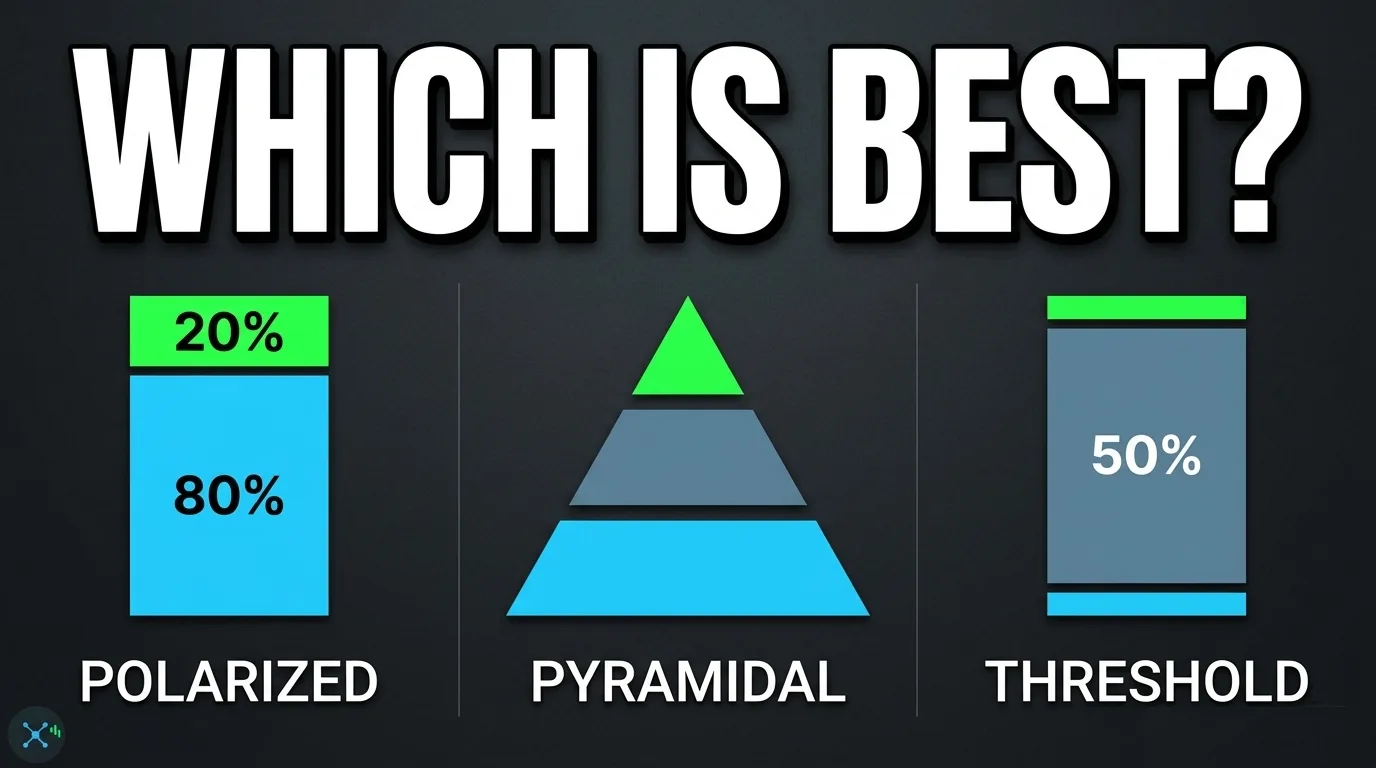
Stop Guessing Your Training Load: The 3 Models Every Athlete Must Know
Most athletes train on one high-intensity model and plateau. Real gains come from rotating three: Metabolic Base, Functional Strength and High-Threshold Power.